


The quality assurance of a Web or Mobile application relies on your ability to manage your Quality Assurance (QA) in a structured manner. Among the key pillars of this approach, functional testing plays a central role in validating business requirements.
What is functional testing?
The functional test is a type of software testing that verifies that an application precisely meets business requirements and functional specifications. Unlike technical testing, it focuses on the result of the action (the “what”) rather than on the internal structure of the code (the “how”).
Why is Functional Testing Crucial for Your ROI?
On an e-commerce website or a business application, every functionality (such as account creation, search engine, or payment funnel) addresses a critical business need.
- User Impact: If an “Add to Cart” button fails, the customer experience is disrupted.
- Business Impact: A functional bug in production leads to a direct loss of revenue and degrades brand image. Functional testing intervenes to validate that each user scenario proceeds flawlessly, in accordance with the specifications.

What Are the 4 Levels of Functional Testing?
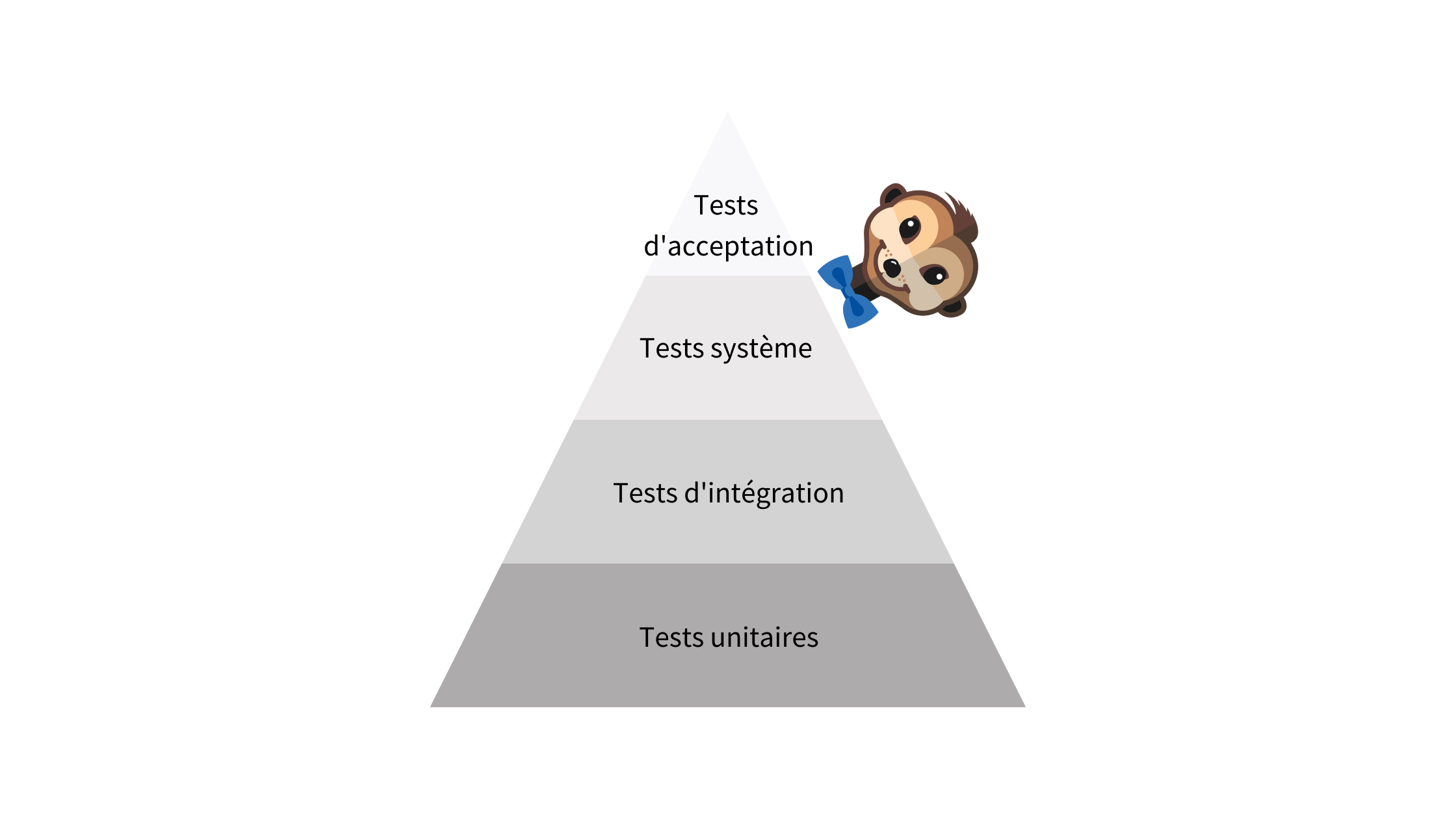
For comprehensive coverage, functional testing is structured into several layers, often following the logic of the test pyramid:
- Unit Testing: Performed by developers, this validates each component or function of the code in isolation.
- Integration Testing: This verifies that the different software modules communicate correctly with each other.
- System Testing: This controls the entire system End-to-End in an environment closely resembling production.
- User Acceptance Testing (UAT): The ultimate stage before delivery, it validates final compliance against the acceptance criteria defined by the client or business teams.
When and how should these tests be implemented?
The golden rule in QA is to “test early and often” (Shift Left Testing).
- Upstream: From the design phase, on staging environments.
- During Development: With each update or bug fix.
- Continuously: By automating functional tests to integrate them into your non-regression (TNR) campaigns. This enables rapid delivery without the risk of regression on existing functionalities.
Need to secure your critical workflows? Discover how Mr SURICATE ’s no-code solution Mr SURICATE your functional tests to detect bugs before your users do.
FAQ
What is functional testing?
Functional testing is a type of software testing used to verify that an application precisely meets business requirements and functional specifications. Unlike technical testing, it focuses on the result of the action (the “what”) rather than on the internal structure of the code (the “how”).
Why is Functional Testing Crucial for Your ROI?
On an e-commerce site or business application, every feature (account creation, search engine, checkout process) addresses a critical need. User Impact: If an “Add to Cart” button fails, the customer experience is disrupted. Business Impact: A functional bug in production leads to a direct loss of revenue and damages the brand’s reputation.
What Are the 4 Levels of Functional Testing?
For comprehensive coverage, functional testing is structured into several layers, often following the test pyramid logic: Unit testing: Performed by developers, it validates each component or function of the code in isolation. Integration testing: It verifies that different software modules communicate correctly with each other.
Further Reading
To see the solution in action, check out our GDPR compliance tests.
Take it a step further: automated functional testing.