









Functional testing: ensuring that your applications and business processes work properly

An application may be technically sound… But if its features don’t meet expectations, it becomes unusable. Functional testing is essential for verifying that your applications, processes, and business tools work properly in all situations.

What is a functional test?

Functional testing involves verifying that a system responds correctly to a business requirement or user action.

The following needs to be validated:

  • the features of an app
  • business rules
  • workflows
  • interactions between systems


The goal: to ensure that the system functions as expected from a business perspective.

Why are functional tests essential?

A functional flaw directly impacts the organization's performance.

In every organization, digital systems are at the heart of operations:

A functional error can result in:

The Limitations of Manual Functional Testing

In most organizations, functional testing is still done manually. As systems become more complex, this approach quickly becomes ineffective.

Each scenario must be replayed with every update.

Not all cases can be tested.

The scenarios become outdated or inconsistent.

The more the system evolves, the greater the QA workload becomes.

Why automate functional testing

Automation makes testing more reliable and scalable. It allows you to:

  • run the tests continuously
  • detect anomalies earlier
  • cover more cases
  • reduce manual labor

Testing is becoming a key tool for quality management.

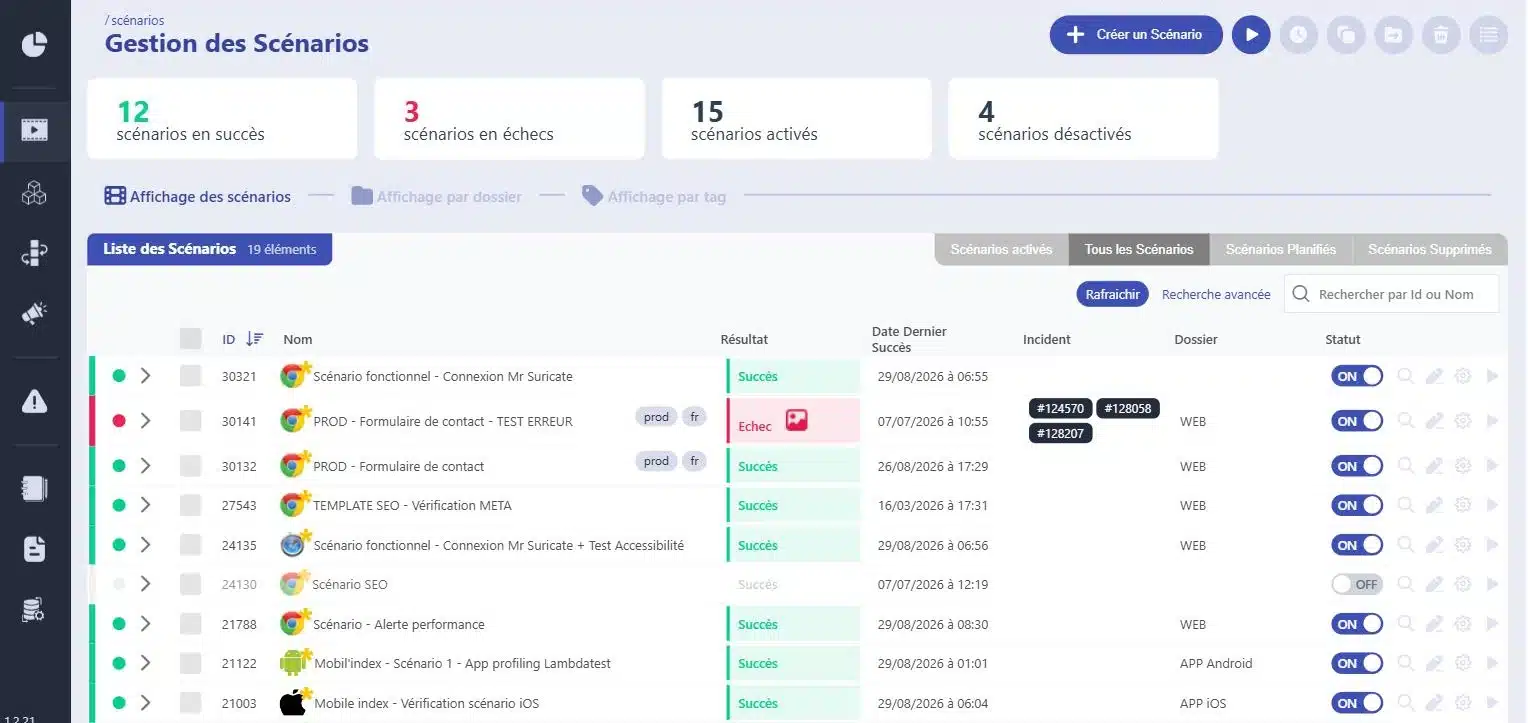
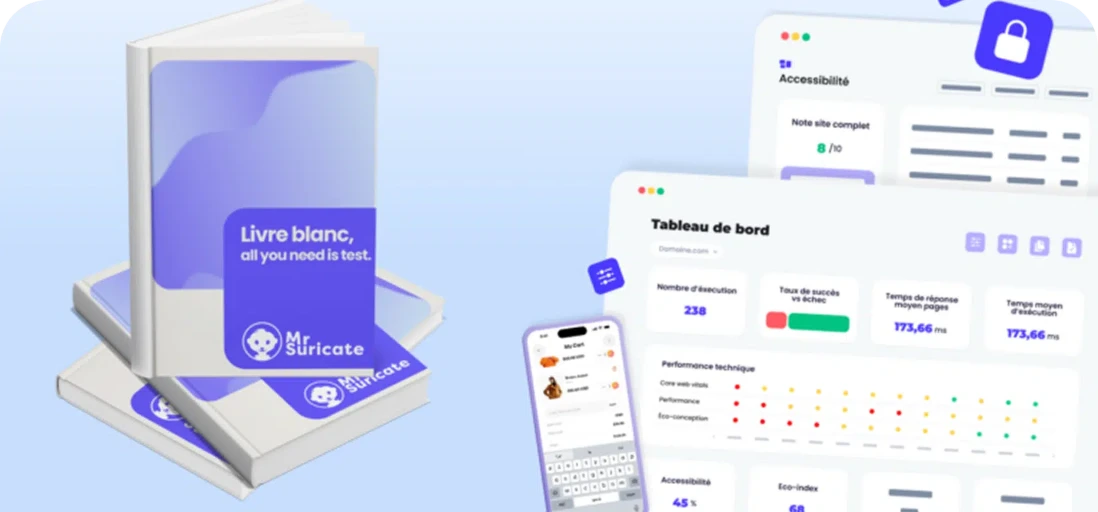
Dashboard Mr Suricate

Tired of time-consuming manual testing?

Switch to no-code automation—it will transform the way you think about testing!

The Benefits of Automated Functional Testing

Purple thumb icon

System Reliability

Business features and processes are validated with each update.

downward trend

Reduction in incidents

Issues are detected before they affect users or operations.

Rocket icon

Time saving

Teams spend less time on repetitive testing.

Star icon

Improved operational performance

Systems are more stable, and processes run more smoothly.

How Mr Suricate Simplifies FunctionalTesting

Mr Suricate you test all your applications and processes with ease.

A no-code approach

  • Creating scenarios without development
  • Replication of actual usage
  • Accessibility for business teams
Script by Mr Suricate
Running the Mr Suricate scenarios

Automated execution

  • Ongoing testing
  • Execute on every change
  • Scheduled campaigns

Simplified maintenance

  • Adapting to change
  • AI-assisted proofreading
  • Sustainable scenarios


The result
: reliable tests that remain valid over time and are aligned with your business needs.

Mr Suricate campaigns

Functional Testing FAQ

A functional test verifies that a feature or process meets business requirements.

Functional tests validate the system's behavior, while technical tests verify the code or components.

Automation allows tests to be run faster, more frequently, and reliably, while reducing the manual workload.

These tests must be performed after every system update, prior to deployment.

The two are complementary.

Functional tests verify that a system is working correctly.
Non-regression tests ensure that changes have not introduced any bugs

Together, they ensure both the functionality and its continued development.

Learn more about non-regression testing.

There's more to life than just functional testing

Mr Suricate all your testing needs, from user experience to internal systems