


In a nutshell: Digital transformation is emerging as a major revolution in the healthcare sector, redefining the way hospitals, clinics, and medical facilities approach healthcare. This guide covers: Digital Transformation in Healthcare—Trends, Big Data Analytics, Digital Pathology, and Blockchain Solutions.
Digital transformation is emerging as a major revolution in the healthcare sector, redefining the way hospitals, clinics, and medical facilities approach healthcare.
In another article, we discussed trends and challenges in the healthcare sector as a whole. In this article, we focus on trends affecting hospitals and clinics, as well as how they can address these new challenges.
Digital Transformation in Healthcare – Trends
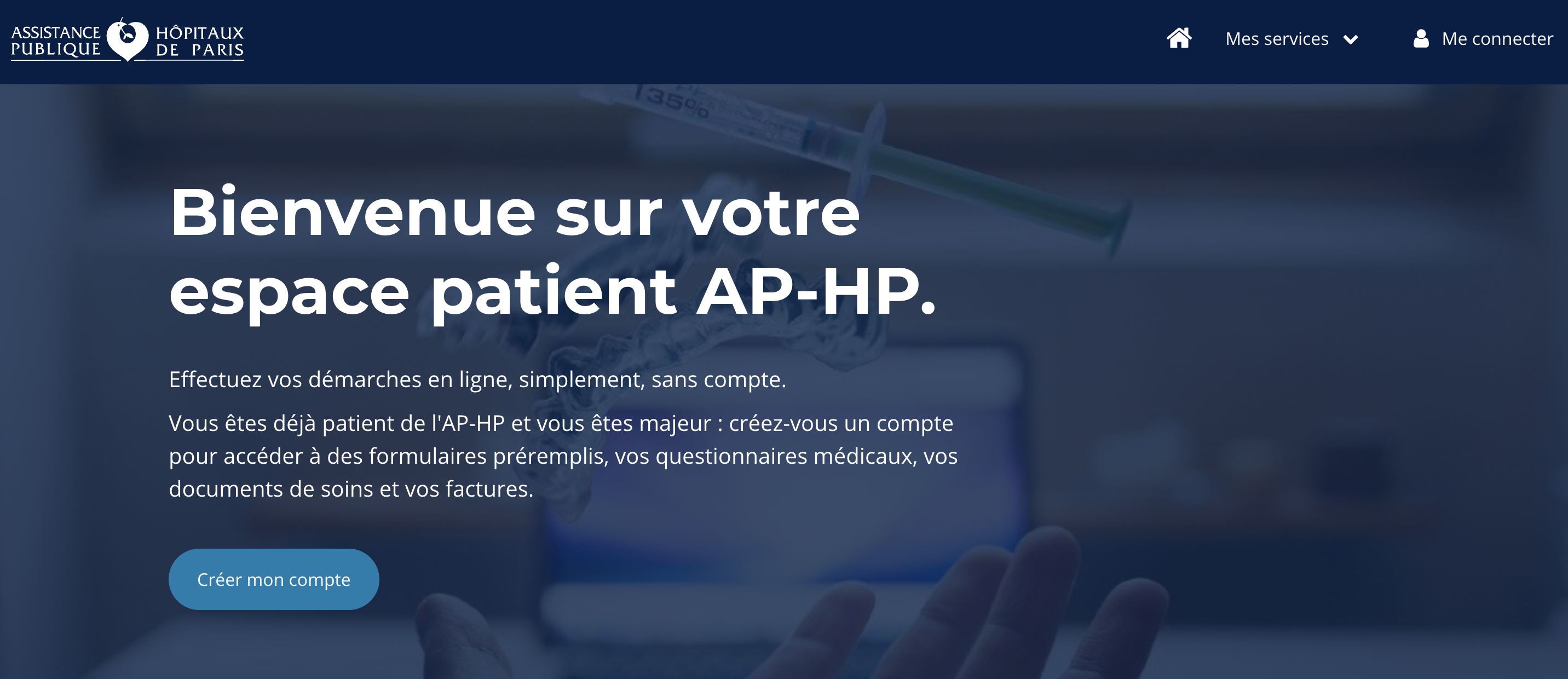
Digital Patient Portals
Digital patient portals, also known as online service portals, enable healthcare organizations to modernize their patient onboarding process and streamline administrative procedures for their patients.
These platforms make it possible to complete various tasks online more efficiently, such as:
- Making an Appointment
- Maternity Registration
- The Pre-Admission Process
- Downloading invoices and payments.
As a result, they help provide faster, more personalized service, requiring fewer staff members to serve as the link between the healthcare organization and its patients.
This more effective communication facilitates the coordination of care and helps reduce costs.
Big Data Analytics
Big Data analytics plays a vital role for healthcare providers by enabling a better interpretation of patient and internal data.
This optimizes healthcare services and allows for the care of more patients. For example, data analysis can be used to identify medication errors and anticipate staffing needs.
In the field of diagnostics, Big Data improves predictive analytics, leading to more personalized treatment plans and better outcomes for patients.
Digital Pathology
An accurate diagnosis of cancer relies on microscopic examination by pathologists.
Digitizing glass slides using scanners enables AI-assisted analysis, speeding up the interpretation process.
Once refined, these algorithms can save pathologists valuable time when analyzing these images.
The Curie Institute in France is at the forefront of this technology, digitizing its slides and analyzing them using Ibex Medical Analytics’ Galen Breast artificial intelligence program.
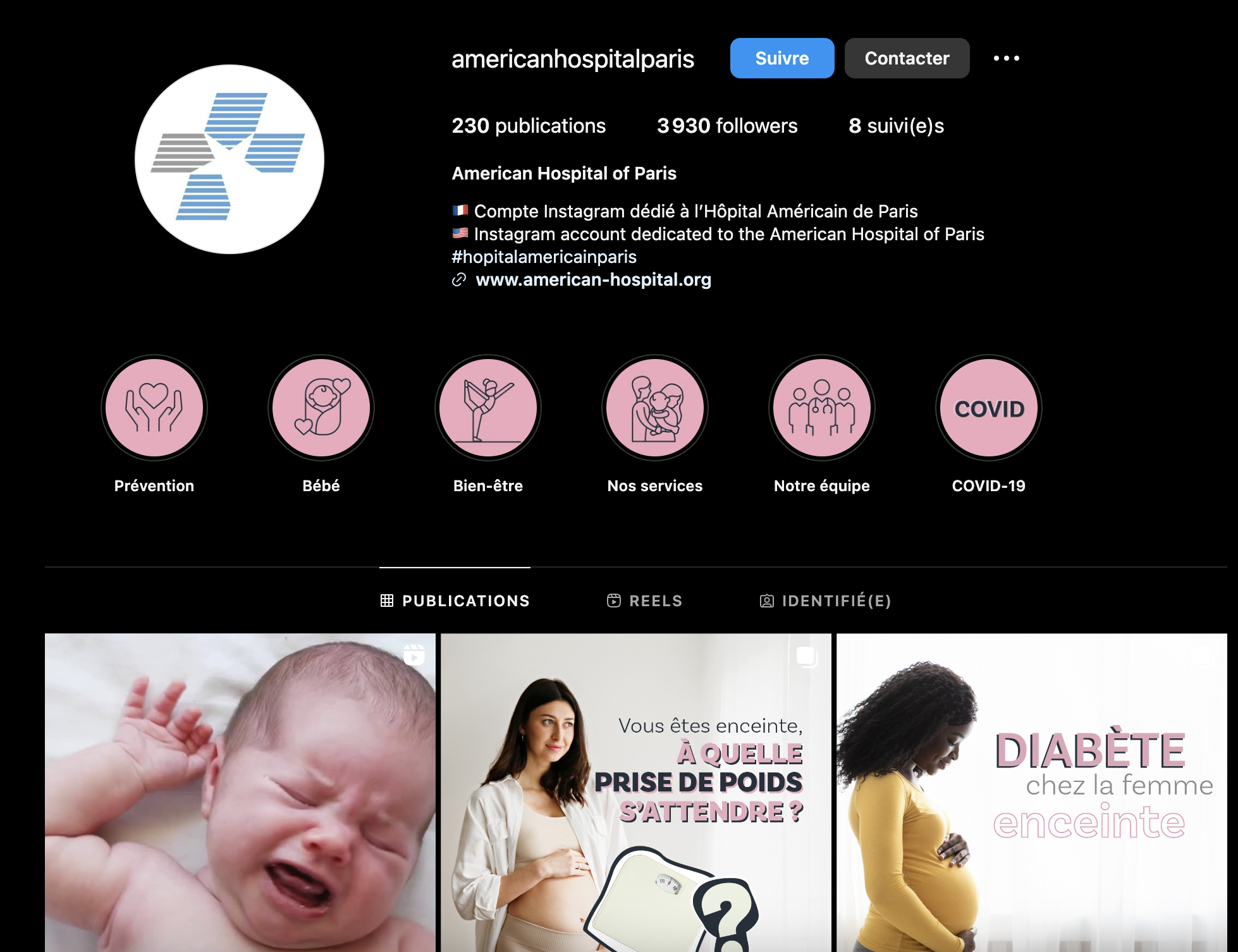
Strategic Use of Social Media
Healthcare providers are using social media to strengthen their relationships with patients.
Platforms such as Instagram and YouTube are increasingly being used by health organizations to encourage interaction by sharing information on various health-related topics.
This helps educate, reassure, and foster engagement with communities.
Blockchain Solutions
Blockchain fosters trust and collaboration in the healthcare sector thanks to its decentralized nature and inherent security.
Blockchain solutions, such as those offered by IBM, enable healthcare organizations to:
- Ensuring data integrity
- View full traceability of the pharmaceutical supply chain
- Verify health information while maintaining confidentiality
- Use smart contracts to automate processes such as dispute resolution or the review of medical images.
3D Printing
3D printing offers a low-cost solution (costs are reduced by a factor of 1,000 for a prosthetic hand) and holds great promise for improving the lives of patients and healthcare professionals.
This technique is used to manufacture lightweight prosthetics, advanced medical devices, casts for treating fractures, and even customized organ models and specialized surgical tools.

Digital Transformation in the Healthcare Sector – The Challenges
Data Processing and Storage
A major challenge in the healthcare sector is implementing robust systems capable of processing the vast amount of data collected by healthcare organizations.
For example, the images used by the Curie Institute, mentioned earlier, can be as large as 4 GB (gigabytes, billion bytes). This represents a huge challenge in terms of data storage, amounting to approximately 120 TB (terabytes, thousand billion) per year.
Data synchronization is a major challenge in the field of telemedicine, for example. Doctor visits take place through multiple channels, making it more difficult for healthcare professionals to update patients' medical records.
Consequently, it will be essential to establish effective and legal means of recording and updating health records for both in-person and virtual visits.
Legislation, particularly the EU’s GDPR, imposes new requirements on data collection and storage, with very high fines. Fines can reach 20 million euros or 4% of a company’s annual revenue.
Cybersecurity
Organizations across all sectors must remain extremely vigilant against cyber threats, but attacks can be particularly costly for healthcare facilities.
Although threats may come from people seeking to cause harm, others may result from errors in product or software development, and the companies that develop these applications must ensure that bugs are discovered before their products and systems are launched or updated.
Intuitive user experiences
Whether it’s a connected heart monitor, a mobile app, or any other digital product or service, ease of use is a major concern for both patients of all ages and healthcare professionals.
A digital patient portal that is difficult to navigate, for example, would completely defeat its purpose and simply create more frustration and confusion.
Ultimately, the technology’s ability to bring about major improvements in the healthcare sector will depend largely on its overall quality, which in turn depends on the extent to which it has passed quality assurance tests that take end-user needs into account.
Staff Training to Facilitate Adoption
Of course, training medical staff is a fundamental aspect of digital transformation in the healthcare sector.
Healthcare organizations must invest in training programs to ensure that healthcare professionals are proficient in the use of new technologies.

Mr Suricate QA Testing for Organizations in the Healthcare Sector
Ultimately, the success of digital transformation in the healthcare sector hinges on the overall quality of the underlying technology, which, in turn, depends on the technology having undergone rigorous testing.
The no-code SaaS solution Mr Suricate a wide range of automated tests to help you manage your acceptance testing and provide your users with the best possible experience.
Take control of your applications and detect bugs in real-time across your websites, mobile apps, and APIs by regularly replicating your user journeys.
Further Reading
- Trends and Challenges in Digital Transformation in the Hospitality and Restaurant Industry
- Trends and challenges of digital transformation in the tourism and leisure sector
- Trends and Challenges of Digital Transformation in the Industrial Sector
- Automated Testing for the Hospitality and Restaurant Industry
- The automated testing platform
FAQ
What Digital Tools Are Available to Healthcare Organizations?
Process automation, data analytics, connected tools, and reliable applications that free teams from repetitive tasks.
How can we balance innovation and safety in healthcare?
By moving quickly to implement new features while ensuring that every change is validated through testing and continuous monitoring. Speed must never come at the expense of reliability.
What are the risks if software quality is neglected?
Disrupted care or administrative processes, a loss of trust, and regulatory exposure. In healthcare, the impact of a bug goes beyond mere inconvenience.
How can we ensure the long-term reliability of healthcare applications?
Through regular automated testing and monitoring of critical workflows, which detect regressions before users do.
How does Mr Suricate these challenges?
With a no-code testing and monitoring solution designed for both business teams and large enterprises, to ensure the long-term security of digital experiences.
See also: Webinar Recap | Green IT & RGESN: What Are the Impacts of Automation? ft. K-LAGAN, Green IT: The Best Solutions for Reducing the Digital Footprint, The Page Object Pattern: A Structured Approach to Automated Testing with Mr Suricate, and What Are the New Trends in B2B Online Purchasing? (FEVAD study).
Take It Further: Automated Testing in Healthcare and Pharmaceuticals.