


In a nutshell: The intangible nature of the digital world often makes us forget its tangible impact on the environment. This guide covers: What is Green IT?, Fundamental Principles of Green IT in Software Development, DRI: An Eco-Friendly Web Hosting Provider, Code Carbon: Quantifying the Carbon Footprint of Code.
The intangible nature of the digital world often makes us forget its tangible impact on the environment. Yet the use of digital technologies accounts for nearly 4% of global greenhouse gas emissions— a figure that is constantly rising.
This sector is all the more concerning because its emissions are rising at an exponential rate, driven by the continued growth of digital usage, connected devices, video streaming, and cloud services.
In this article, we explore the best Green IT tools available to us that will help us create the greenest possible digital world.
What is Green IT?
Green IT refers to all practices and technologies aimed at reducing the environmental footprint of digital technology, including reducing the energy consumption of IT equipment, optimizing digital resources, and designing environmentally responsible digital services.
Essentially, there are two types of digital usage to consider in a Green IT context:
- Local use: refers to workstations, computers, internal servers, etc.
- Remote usage: refers to web services and the cloud, which draw on enormous amounts of hardware resources through data centers, requiring cooling, maintenance, and a continuous supply of power.
More specifically, digital-related greenhouse gas emissions are primarily generated by:
- The extraction and processing of raw materials needed to manufacture digital devices
- Product Shipping
- Use, particularly through electricity consumption
- End-of-Life for Devices
Fundamental Principles of Green IT in Software Development
Green IT is reflected in the lifecycle of software and digital services through:
- Writing Efficient Code
- Reducing the internal infrastructure required for their operation
- Test automation: more efficient and more energy-efficient
- Continuous monitoring to track ecological indicators over time

The Best Green IT Solutions Focused on Electricity Consumption
1. Mr Suricate Responsible Software Test Automation and Green IT Monitoring
Mr Suricate is a French no-code automated testing solution. It detects anomalies on websites, mobile apps, and APIs by simulating user journeys at regular intervals.
By reducing manual testing and optimizing development processes, Mr Suricate minimize the use of IT resources.
Fewer production rollbacks, fewer emergency fixes: that also means less energy wasted!
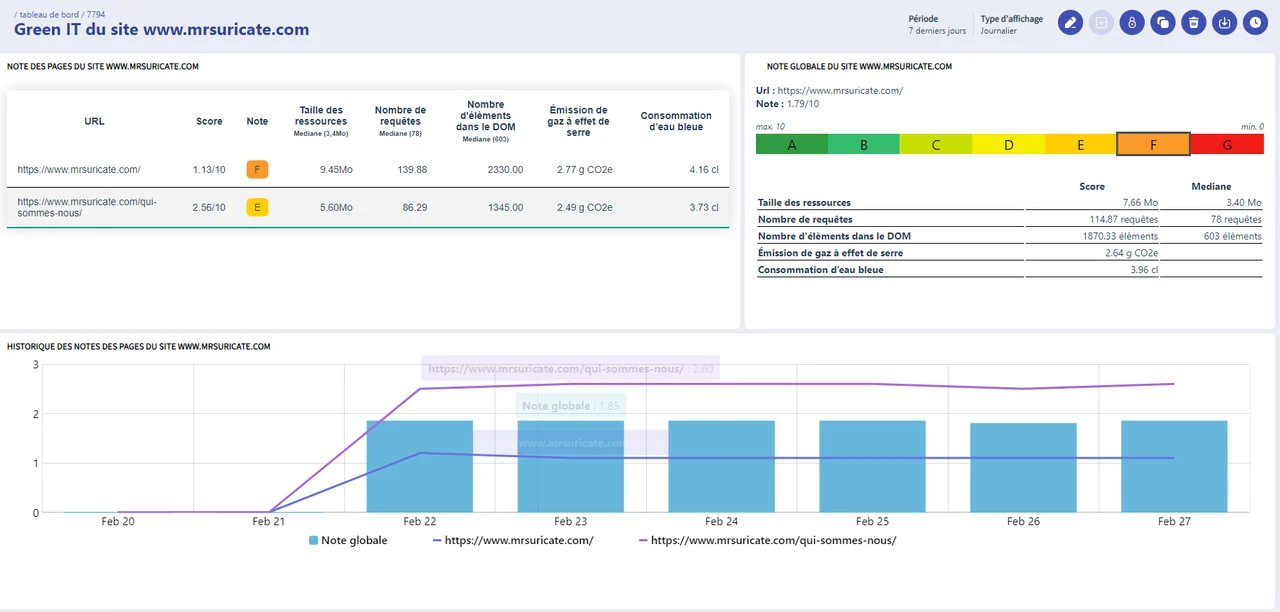
And while this may seem far-fetched, Mr Suricate also Mr Suricate a monitoring feature Green ITmonitoring feature, with several key indicators:
- The size of the loaded resources
- Number of requests
- The volume of the DOM
- Estimated greenhouse gas emissions
- Water consumption
2. DRI: An Eco-Friendly Web Hosting Provider
DRI is an eco-friendly French web hosting and managed services provider committed to a fully open-source approach that incorporates advanced environmental practices. In addition, the company prioritizes transparency and digital sovereignty by hosting data in France.
Thanks to natural ventilation and adiabatic cooling, energy efficiency is highly optimized. Its “green by design” approach enables a sustainable reduction in emissions right from the design phase.
DRI offers a sustainable web infrastructure based on:
- Energy-efficient data centers
- The use of renewable energy sources such as solar power, hydropower, and, in some cases, wind power.
- An active carbon offset policy
To clearly understand the tangible benefits, each customer has access to the GreenZone, which provides useful eco-metrics for tracking the environmental impact of their digital services.
3. Scaphandre: An open-source tool for measuring service energy consumption
Scaphandre is an open-source agent that measures the power consumption of processes on a server.
It can be integrated with tools such as Prometheus and provides valuable data for optimizing configurations. For example, you can identify the processes or services that consume the most energy in order to adjust resources, review infrastructure choices, or prioritize certain software optimizations.
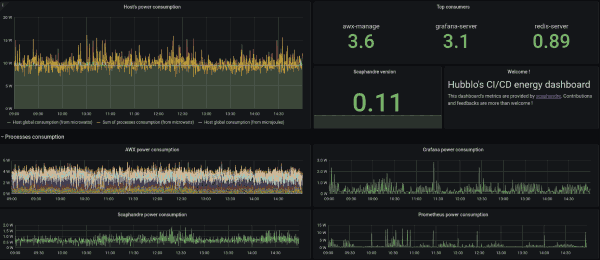
This real-time monitoring helps identify areas for improvement and compare different architectures. The tool also makes it easy to integrate data into analytics tools such as Riemann or Warp10, or via JSON export.
4. Code Carbon: Quantifying the Carbon Footprint of Code
Code Carbon is a Python library that calculates the energy consumption associated with code execution and provides an estimate in CO2 equivalents.
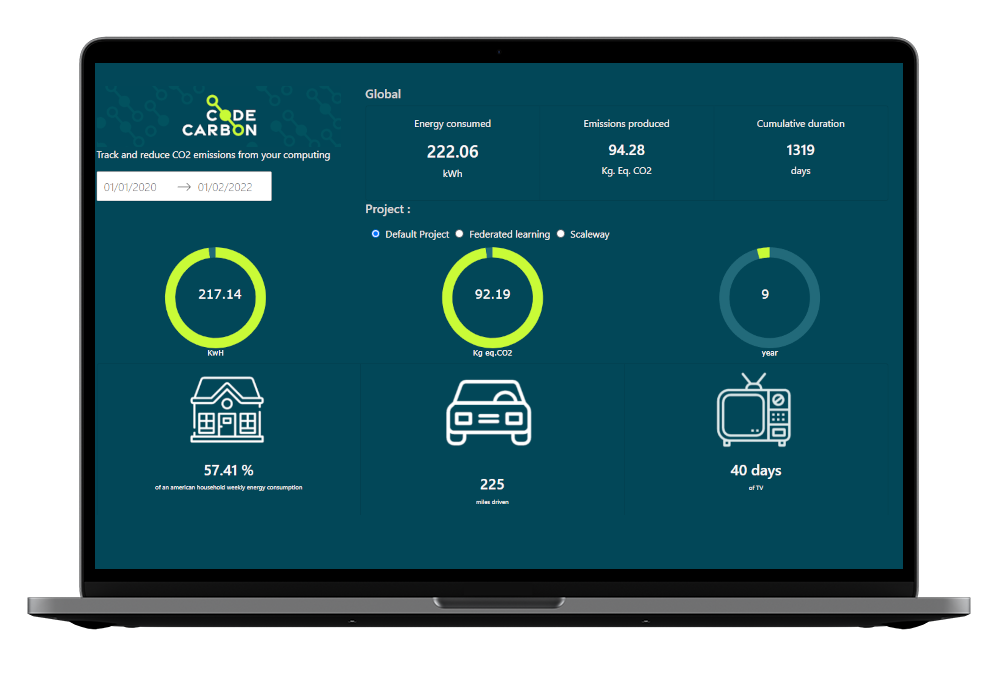
This solution is particularly well-suited for machine learning or analytics-intensive projects, as it allows developers to:
- Identify the parts of the program that consume the most resources
- Optimizing Treatments
- Scheduling computations in regions with green energy
The tool integrates easily into existing Python environments and allows you to strike the perfect balance between algorithmic efficiency and environmental performance.
For example, it can be used to compare the carbon footprints of different machine learning models or to adjust training parameters in order to reduce emissions.
5. Kube Green: Energy Efficiency in Kubernetes Environments
Kube Green is an open-source Kubernetes operator designed to improve the energy efficiency of clusters (a set of physical or virtual machines) by automatically putting unused resources into sleep mode during periods of inactivity.
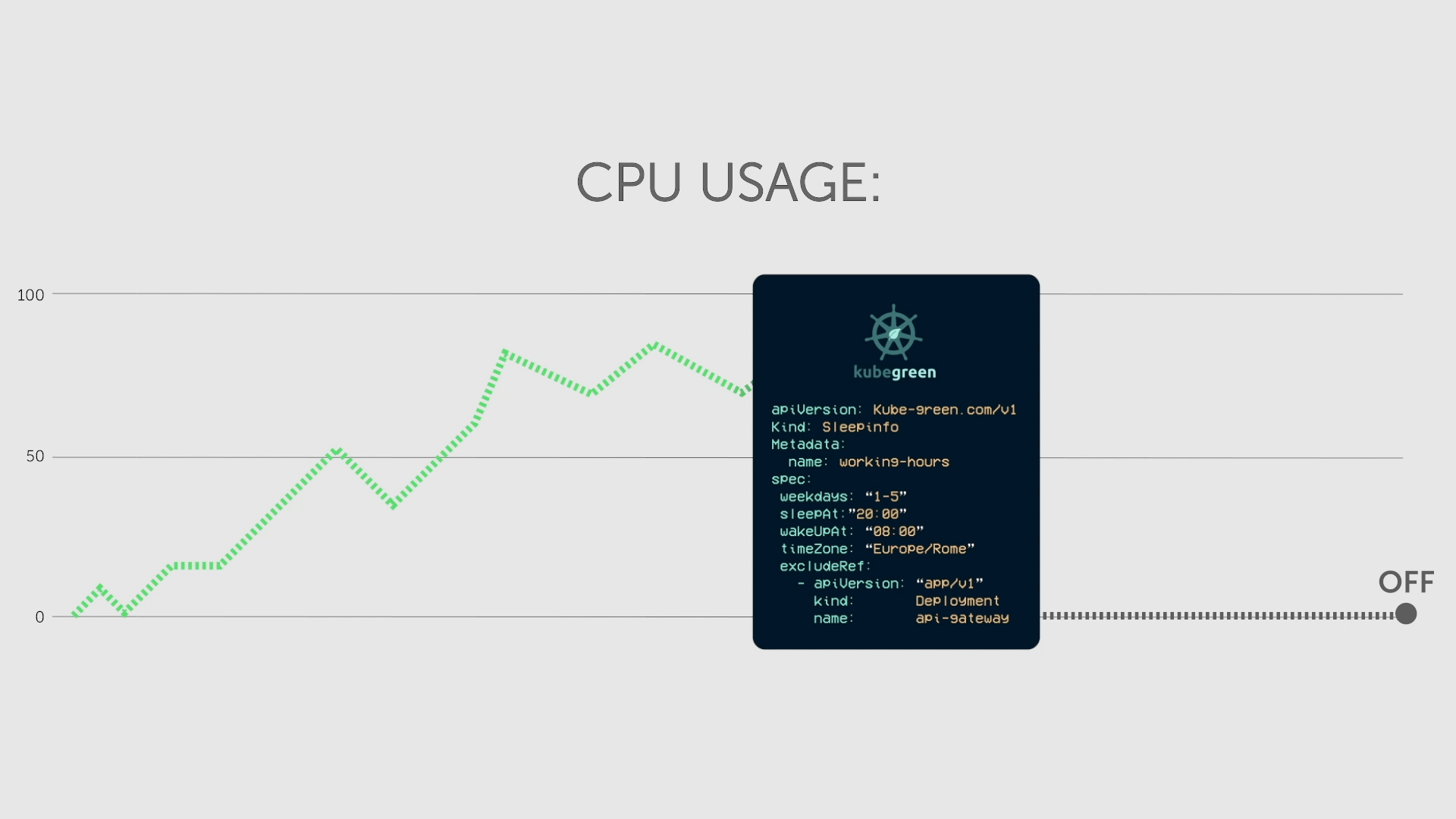
The tool was designed for test or development environments and can stop certain deployments or cron jobs (scheduled tasks) according to a defined schedule in order to minimize the waste of cloud resources.
For example, a company can configure Kube Green to automatically suspend all non-critical test environments after 7:00 p.m. and resume them at 8:00 a.m. the next day.
The solution integrates easily into an existing cluster and works with simple annotations or rules.
Essentially, this tool enables a minimalist approach to digital simplicity that reduces the environmental impact while optimizing costs for businesses that make heavy use of the cloud.
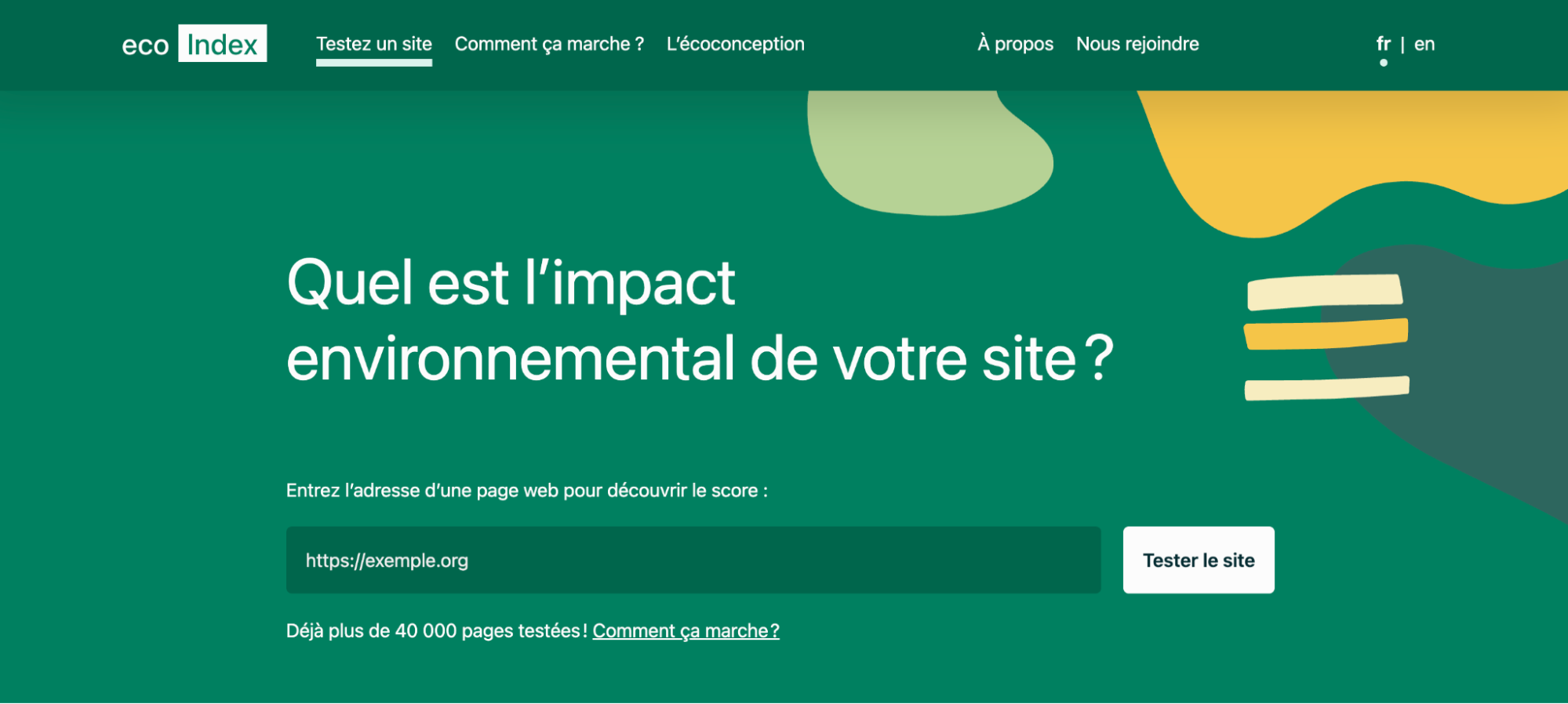
6. Ecoindex: Assessing the Environmental Impact of Websites
Ecoindex is an online analysis tool that assesses the environmental impact of web pages based on:
- Page size
- Number of requests
- The Complexity of the DOM
The analysis is free, automated, and helps you identify which parts of your website should be prioritized from an environmental perspective.
A good Ecoindex score means:
- A Faster Website
- Less energy consumed by the user
- Better Search Engine Optimization (SEO)
- A Better User Experience (UX)
Web optimization is therefore becoming a tool that benefits both the environment and marketing!
Mr Suricate Leader in No-Code Test Automation
By reducing resource consumption, optimizing product lifecycles, and decreasing carbon emissions through Green IT strategies and practices, companies can integrate digital sustainability into their software development practices.
When it comes to Green IT, test automation is an essential practice, and at Mr Suricate, we offer a wide range of automated tests to ensure your acceptance testing is thorough and to provide your users with the best possible experience.
Further Reading
FAQ
What is Green IT?
It refers to all practices aimed at reducing the environmental impact of digital technology: hardware, software, infrastructure, and more energy-efficient usage.
What are some ways to reduce our digital footprint?
Optimize code and resources, extend the lifespan of hardware, choose energy-efficient hosting solutions, and avoid unnecessary computation, including during testing.
Is Green IT compatible with performance?
Yes. Simpler software is often faster and less expensive to operate. Simplicity and efficiency go hand in hand.
How does testing contribute to Green IT?
By focusing tests on essential workflows and optimizing test runs, rather than testing everything indiscriminately on a massive scale.
How Mr Suricate into Green IT?
By enabling teams—both business teams and key accounts—to intelligently target and automate testing for efficient coverage without waste.
Learn more: Green IT tests.