

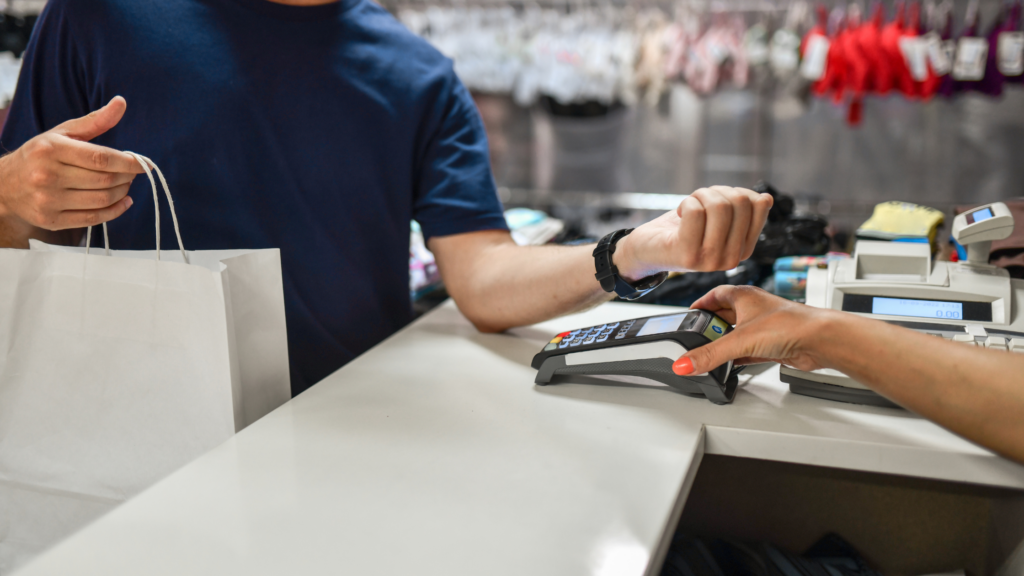
In a nutshell: For traditional retailers, competition from new online retailers has intensified, forcing them to adapt and focus on creating better customer experiences by leveraging the latest technologies. This guide covers: What role does digitalization play in the retail sector in 2023?, Digital trends in retail, The omnichannel/hybrid customer journey, Personalized offers.
For traditional retailers within the retail sector, the intensified competition from emerging online retailers necessitates adaptation and a strategic focus on delivering superior customer experiences through the adoption of cutting-edge technologies.
This evolving paradigm in thought and operation has prompted numerous retailers to embark on a digital transformation to maintain relevance, agility, and competitiveness.
This article will provide a detailed examination of the digital trends and challenges confronting the retail sector.

What is the role of digitalization within the retail sector in 2023?
Retail represents the economic sector most intrinsically linked to consumption, as it delivers goods and services directly to the end consumer, encompassing businesses, merchants, products, and consumers.
Considering that the retail sector is entirely contingent upon the end consumer, and given the significant shifts in consumer behavior over recent years, particularly since the health crisis, it is imperative to address their evolving technological expectations to ensure success in the retail sector in 2023 and beyond.
Digital trends in retail
The Omnichannel / Hybrid Customer Journey
Numerous retail businesses have successfully digitized aspects of their operations to ensure survival, enhancing product accessibility while preserving their physical storefronts, which serve to humanize and reassure their customer base.
Common examples of omnichannel retail experiences that are now standard practice include:
- Click-and-collect options to enhance purchasing convenience
- Sleek and intuitive websites and mobile applications
- Readily accessible online customer services – frequently powered by AI and chatbots
Contemporary consumers demand the flexibility to purchase online, in-store, or via mobile, expecting a seamless and consistent shopping experience across all channels.
Personalized Offers
A personalized shopping experience manifests as product offers and recommendations tailored to each customer's preferences and purchasing behaviors.
For instance, a customer who regularly purchases hiking footwear could receive product recommendations pertinent to that specific category.
Essentially, personalization in retail enables more accurate prediction of consumer behavior, allowing this valuable insight to be leveraged to its fullest potential.
Of course, personalization is only possible with precise consumer data. This means understanding how to leverage the right digital tools to present the right products to the right person at the right time.
The Rapid Evolution of Social Commerce
Social commerce sales are projected to increase by over 20% in the next three years, reaching $107.17 billion by 2025.
TikTok has significantly contributed to the rise of social commerce, with Gen Z users being a major driver of this growth.
In 2023, an estimated 10 million additional social shoppers are expected on the platform with the introduction of TikTok Shopping, which enables retailers and creators to showcase and sell products for the TikTok community to discover and purchase directly through a comprehensive in-app experience.
Mobile Commerce (“MCommerce”)
The volume of mobile commerce is projected to reach $620.97 billion by 2024. This implies that nearly half (42.9%) of all online purchases will be conducted via a mobile device.
Consequently, retailers must focus on the mobile purchasing process on their websites to ensure an exceptional customer experience and reduce shopping cart abandonment.

Digital Challenges in the Retail Sector
Data Security
Ensuring consumer data protection and privacy is a major priority for retailers in 2023.
This digital challenge in the retail sector is attributed to cyberattacks, with the retail industry being a primary target, as well as concerns regarding how consumer data is collected and utilized by social media platforms and websites.
Other factors, such as increased consumer awareness of how their data is collected and used, and the imperative for businesses to offer enhanced consumer options through precise data, also come into play.
Regarding data privacy, the primary challenge is to acquire consumer data while maintaining trust.
Accessibility of Digital Customer Journeys
Approximately 1 billion individuals experience a form of physical disability that impacts their interaction with digital devices.
Accessibility is crucial for retailers aiming to ensure their digital user journeys are inclusive and accommodate diverse needs.
Customer Retention
Given the intense competition within the retail sector, customer retention is a paramount priority for retailers.
This brings us back to personalization! (and applies equally to the real world and e-commerce).
Customer loyalty is most prevalent where unique and personalized shopping experiences are cultivated.
Even though e-commerce does not require sales personnel, it is still important to enable social interaction and an individualized experience so that customers do not feel like just another number and are more likely to return (and/or leave positive reviews to reassure future customers).
Ensuring Seamless and Bug-Free Digital Customer Journeys
With the proliferation of omnichannel customer journeys in the retail sector today, the risk of bugs and technical issues represents a significant challenge for retailers.
Any interruption in the purchasing process can deter potential customers from completing a transaction and lead them to abandon their cart.
Bugs and technical errors also detrimentally impact brand reputation, as frustrated customers are prone to vocalizing their dissatisfaction.
Retailers must therefore conduct QA testing to ensure seamless and technically error-free customer purchasing journeys.
Mr Suricate QA Testing for Retailers
To achieve success as a retailer in the digital era, it is imperative to ensure that digital customer journeys consistently meet the evolving demands of modern consumers.
The no-code SaaS solution Mr Suricate a wide range of automated tests to help you manage your acceptance testing and provide your users with the best possible experience.
Take control of your applications and detect bugs in real-time across your websites, mobile apps, and APIs by regularly replicating your user journeys.
Further Reading
- Trends and Challenges in Digital Transformation in the Healthcare Sector: Part 2
- Trends and Challenges in Digital Transformation in the Hospitality and Restaurant Industry
- Trends and challenges of digital transformation in the tourism and leisure sector
- Automated Testing for the Hospitality and Restaurant Industry
- How Does Mr Suricate Work?
FAQ
Why Is the Retail Industry Undergoing a Digital Transformation?
To meet the needs of omnichannel customers who move between in-store, online, and mobile channels and expect a consistent and reliable experience across all of them.
What are the digital challenges facing the retail industry?
Channel consolidation, managing peak periods (sales, holidays), ensuring reliable shopping journeys, and leveraging customer data.
Why Continuously Test Retail Customer Journeys?
Because traffic volumes are massive and spikes are frequent: a failure in the checkout process immediately results in lost sales.
How Can We Ensure a Secure Omnichannel Experience in Retail?
By testing and monitoring user journeys across all channels and devices to ensure consistency and availability, especially during periods of high traffic.
How does Mr Suricate the retail industry?
By automating testing and monitoring of the customer journey, for both business teams and major retail accounts.
See also: Success Story: Mr Suricate Le Coq Sportif.
Take It Further: Automated Testing in Retail and E-Commerce.