


Every software update can introduce bugs in features that were previously working perfectly. Non-regression testing (NRT) verifies that a code change, update, or new feature has not broken existing functionality.
But as applications become more complex and releases multiply, running these tests manually becomes difficult. Test automation then helps ensure the reliability of production deployments while reducing the workload for teams.
A regression test involves verifying that a change made to an application has not introduced a bug in existing features.
When a new version is developed, teams must ensure that:
The legacy features continue to work
critical user flows remain operational
no regression affects the user experience
Non-regression testing is therefore essential for ensuring the long-term stability of an application.
Apps are constantly evolving:
Every change can have unintended consequences.
Without a solid non-regression testing strategy:
Non-regression testing helps ensure the reliability of these changes.
Every change can have unintended consequences. Over time, this approach quickly reveals its limitations.
The number of test cases to verify increases with every update to the application. Testing campaigns become lengthy and require significant resources.
Due to time constraints, teams sometimes have to narrow the scope of testing. As a result, certain critical paths are no longer verified.
Repetitive testing consumes a significant number of person-days. QA becomes difficult to maintain at scale.
Test automation helps resolve these issues. Test scenarios can be run automatically with every product update.
In particular, this allows you to:
test more frequently
detect anomalies earlier
reduce the manual testing workload
improve coverage of critical routes
Teams save time while improving the quality of their applications.
Switch to no-code automation—it’ll change the way you think about TNR!
Implementing a TNR automation strategy offers several tangible benefits.
Issues are detected before the system goes live. Teams deploy with greater confidence.
Regressions are identified earlier in the development cycle. User incidents are limited.
Automated test cases replace repetitive testing. QA teams can focus on high-value testing.
Critical paths are continuously tested. Quality becomes measurable and manageable.
Issues are detected before the system goes live. Teams deploy with greater confidence.
Regressions are identified earlier in the development cycle. User incidents are limited.
Automated test cases replace repetitive testing. QA teams can focus on high-value testing.
Critical paths are continuously tested. Quality becomes measurable and manageable.
Mr Suricate product and QA teams to set up automated regression tests with ease.
With its no-code automated testing platform, teams can:
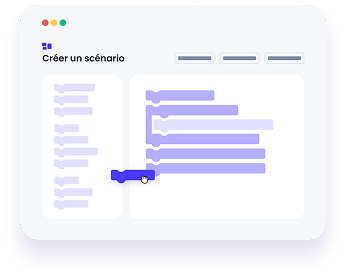
create scenarios that replicate user journeys
automate testing of critical features
run tests with every release
quickly detect anomalies
Tests can be run continuously to monitor application quality.
The platform's built-in intelligence also makes it easier to maintain scenarios over time.
With a non-regression test automation strategy, you can:
Secure their production deployments
Reduce the risk of bugs
Improve the user experience
Shorten development cycles
Mr Suricate helps Mr Suricate automate various types of tests to best meet your needs
“Mr. Suricate provided Suricate with a reliable, automated approach to testing and validating our accessibility requirements, ensuring a smooth, compliant customer experience.”
“ Mr. Suricate a no-brainer, because he gives you the assurance that there are no problems. Finding just one bug is enough to make the solution pay for itself for a whole year! ”
“With Mr Suricate, we have automated label verification, secured our data, and gained reliability to make strategic decisions without error. Plus, it's fun!”
Mr Suricate
A 100% French solution